
🎨 Art Therapy — Healing Through Creativity
You don’t need to be an artist. The best way is to explore and expressmaking: colour, texture, movement, breath — a gentle path to calm, clarity, and self‑expression.
🌟 Benefits
- Emotional release: express what words can’t, transform stress into colour and form.
- Nervous‑system soothing: rhythmic strokes and repetitive patterns invite regulation and rest.
- Self‑discovery: images become mirrors; notice themes, symbols, and strengths.
- Mood & focus: creative engagement can reduce anxiety and improve attention.
- Whole‑brain activation: integrates imagination with planning and problem solving.
- Connection: shared making builds trust, empathy, and belonging.
🧰 Supplies (keep it simple)
Start with what you have. Perfection isn’t required — presence is.
Pencils / pens
Coloured markers
Watercolours / acrylics
Glue + magazines (collage)
Clay or dough
Music & timer
🎨 Possible Techniques
1) Free Drawing (10–20 mins)
Let the hand move before the mind judges. Choose a colour that matches your mood; switch colours when the feeling shifts. Breathe with the strokes.
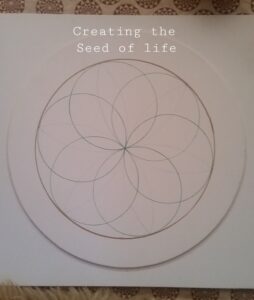
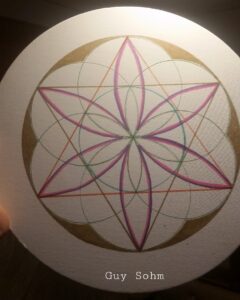
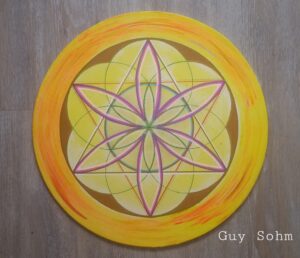
2) Mandala Calm
Start from the centre and move outward in circles or repeating motifs. This naturally invites focus and steady breathing.
3) Collage Visioning
Gather words and images that reflect “how I feel now” or “what I’m calling in.” Arrange, glue, and title the page.
4) Clay Grounding
Roll, press, and sculpt. Notice where the body softens as your hands work. Create a small totem that represents support.
5) Art + Journal
After creating, write for five minutes: What did I notice? What surprised me? What do I need?
💡 Prompts
- Draw your safe place using only three colours.
- Paint the weather of your heart today.
- Collage the word “peace” from textures and nature images.
- Sketch a bridge from where you are to where you’re going.
- Make a series of tiny drawings (1 minute each) to track changing feelings.
🚪 How to Start (at home)
- Set the space: soft music, a clear surface, phone on silent.
- Pick one material (pencil, markers, or paint). Less choice = more ease.
- Choose a prompt (or free draw). Set a timer for 10–20 minutes.
- Breathe slowly; let movement follow breath. If judgement appears, thank it and keep creating. Then when ready title the piece, date it, and note one feeling or insight.
- Book a session: Guy has studied Transpersonal Art Therapy and happy to facilitate a session. In the past running small groups with Japanese visitors with music and light refreshments If you’re interested please contact to enquire
Safety & Support
Art making can stir deep feelings. If strong emotions arise, pause, breathe, ground through the feet, and return when ready. For trauma, grief, or persistent low mood, consider working with a art therapist or mental‑health professional.
Medical note: Art therapy complements but does not replace professional care. If in crisis, seek local support immediately (in Australia call 000 for emergencies; Lifeline 13 11 14).
🌈 Why It’s Wonderful
Art therapy honours the wisdom of the body and the language of images. It’s playful and profound — a practice that turns attention into compassion and creativity into calm. Over time, the pages become a map of growth: more space, more colour, more you.
